
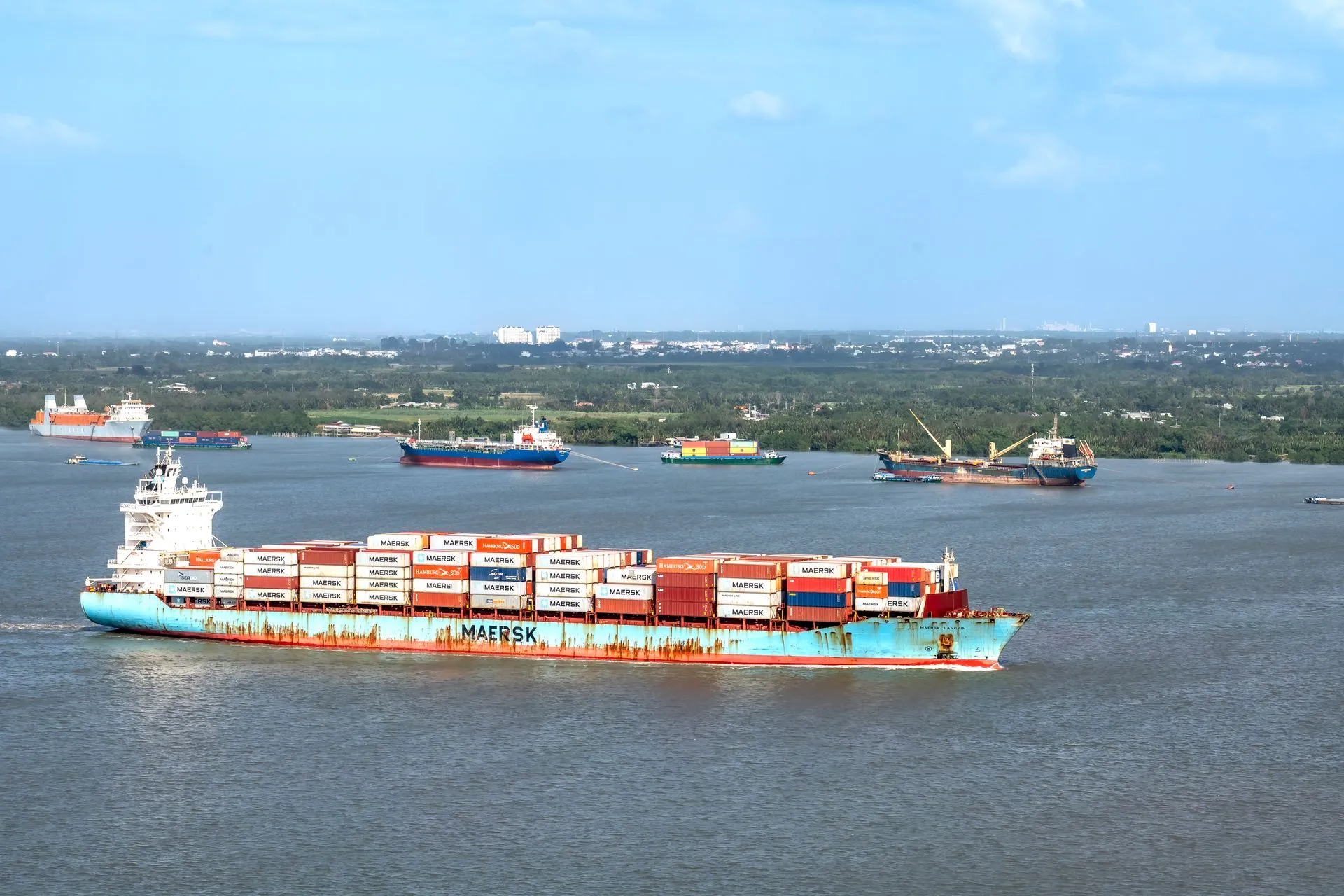
International shipping is a critical part of global trade, connecting manufacturers, suppliers, exporters, and businesses across countries. Whether transporting commercial goods by sea or air, choosing the right shipping solution can help businesses control costs, reduce delays, and ensure cargo reaches its destination safely.
What Is International Shipping?
International shipping is the process of transporting goods from one country to another through established logistics networks. Depending on the type, size, urgency, and destination of the cargo, businesses may use sea freight, air freight, road transportation, or multimodal transport.
For large-volume commercial cargo, sea freight is often an efficient option. Air freight can be more suitable when speed is a priority.
Key Steps in the International Shipping Process
A successful international shipment usually involves several important stages:
1. Cargo Planning
The process starts by understanding the cargo requirements, including product type, quantity, dimensions, weight, origin, destination, and required delivery timeline.
2. Documentation
Accurate documentation is essential for international trade. Depending on the shipment, documents may include commercial invoices, packing lists, certificates of origin, bills of lading, and customs documentation.
3. Customs Clearance
Customs authorities review imported and exported goods to ensure compliance with applicable regulations. Proper documentation and accurate cargo information can help reduce unnecessary delays.
4. Freight & Carrier Arrangement
The appropriate carrier, shipping route, and transportation method are selected according to the cargo requirements. Availability, transit time, cost, and destination all play an important role.
5. Cargo Transportation
Once the shipment is prepared and cleared, the cargo moves through the selected transportation network. Depending on the shipment, this may involve ports, terminals, warehouses, vessels, airports, and inland transportation.
6. Delivery
After arrival at the destination, the cargo goes through the necessary procedures before final delivery to the consignee.
Why Choose Professional Shipping Support?
International shipping involves coordination between multiple parties, including carriers, customs authorities, ports, suppliers, freight agents, and customers.
A professional shipping and logistics partner can help businesses with:
- Shipment coordination
- Customs documentation
- Carrier and vessel arrangements
- Cargo tracking and updates
- Import and export support
- Multimodal transportation
- Supply chain coordination
- Delivery planning
This allows businesses to focus on their core operations while experienced professionals manage the logistics process.
Choosing the Right Shipping Method
The best transportation method depends on several factors.
Sea Freight is generally suitable for larger or bulk shipments where cost efficiency is important.
Air Freight can be useful for urgent, high-value, or time-sensitive cargo.
Multimodal Transport combines different transportation methods to provide a flexible end-to-end logistics solution.
Before choosing a shipping method, businesses should consider cargo type, shipment volume, destination, budget, delivery timeline, and regulatory requirements.
Building Reliable Global Trade
Successful international shipping is more than simply moving cargo from one port to another. It requires careful planning, accurate documentation, reliable partners, and consistent communication throughout the shipment.
With the right logistics strategy, businesses can create stronger international supply chains, improve delivery reliability, and confidently expand into global markets.
Moving Your Cargo Across Borders?
Whether you are looking to import, export, source products, or arrange shipping services, working with an experienced logistics partner can make the process more efficient and reliable.
Need help with your next international shipment? Contact our team for a professional shipping solution.